Did you know that lean protein is a cornerstone of healthy living? Whether you’re looking to boost your energy levels, manage your weight, or protect your heart, lean protein plays a vital role in keeping your body strong and functional. It fuels your muscles, supports cellular repair, and leaves you feeling satisfied making it the ultimate ally for a balanced diet and healthy lifestyle.
So what exactly is lean protein? Simply put, it refers to protein sources that are high in nutrients but lower in unhealthy fats and calories. Unlike fatty cuts of meat or processed protein options, lean protein helps you maintain optimal cardiovascular health, manage blood sugar levels, and sustain your energy throughout the day. Best of all, it’s incredibly versatile. From skinless poultry to plant-based options, there’s plenty of variety to keep your plate exciting and nutritious.
Top 10 Lean Protein Foods for Energy, Weight Management, and Heart Health
Let’s dive into the best lean protein sources you can include in your diet. These picks are nutrient-rich, easy to prepare, and perfect for creating heart-healthy meals:
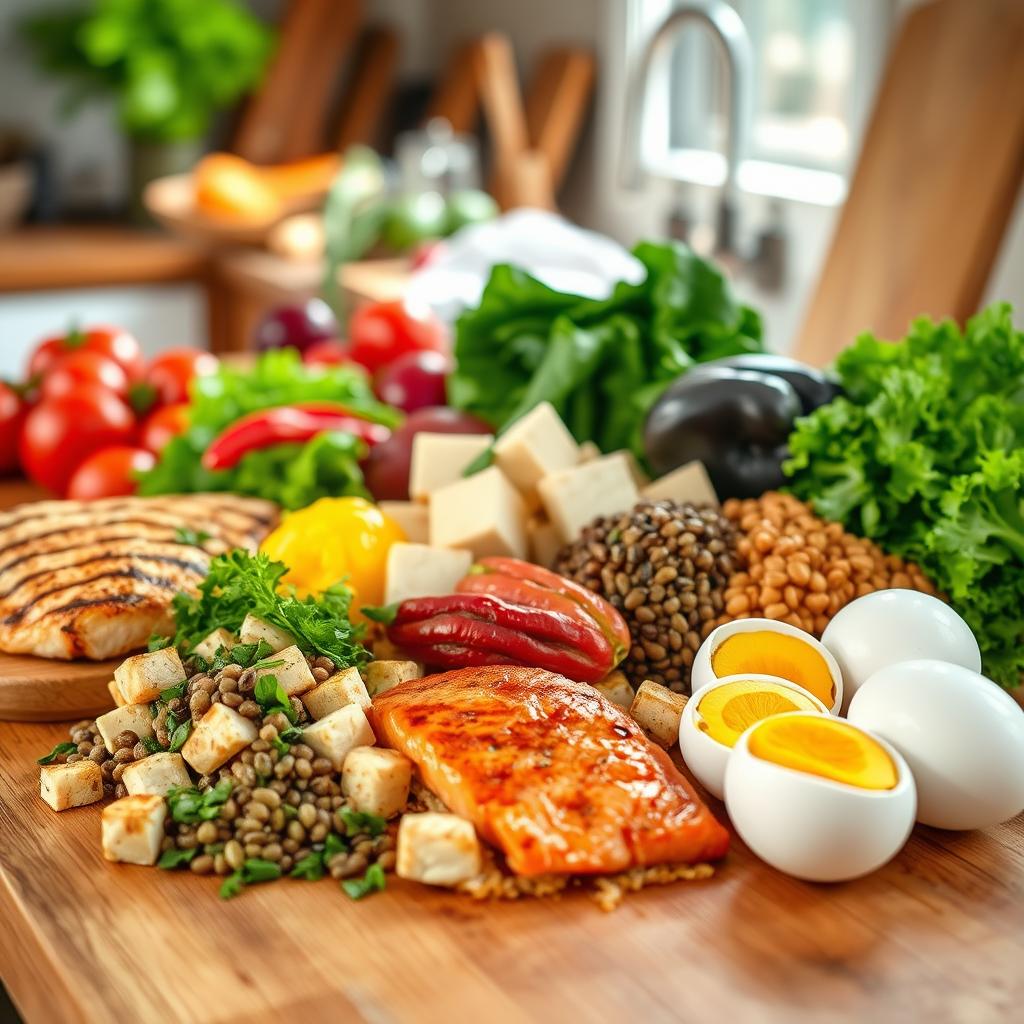
- Skinless Poultry: Chicken breast or turkey meat without the skin is loaded with protein and minimal fat.
- Fish High in Omega-3s: Salmon, tuna, and trout are not only lean but also great for heart health due to their omega-3 fatty acids.
- Pork Tenderloin: A lean cut of pork that’s both tender and packed with essential protein.
- 95% Lean Ground Beef: Opting for 95% lean beef ensures a rich protein source without excess fat.
- Eggs: A classic, affordable option for lean protein, eggs are versatile and nutrient-dense.
- Chicken or Turkey Sausage: Choose minimally processed versions for lean protein with a flavorful twist.
- Beans and Legumes: Plant-based proteins like black beans, lentils, and chickpeas fuel your body while delivering fiber and vitamins.
- Tofu and Tempeh: Soy-based proteins are great alternatives for vegetarians, offering plenty of protein without saturated fats.
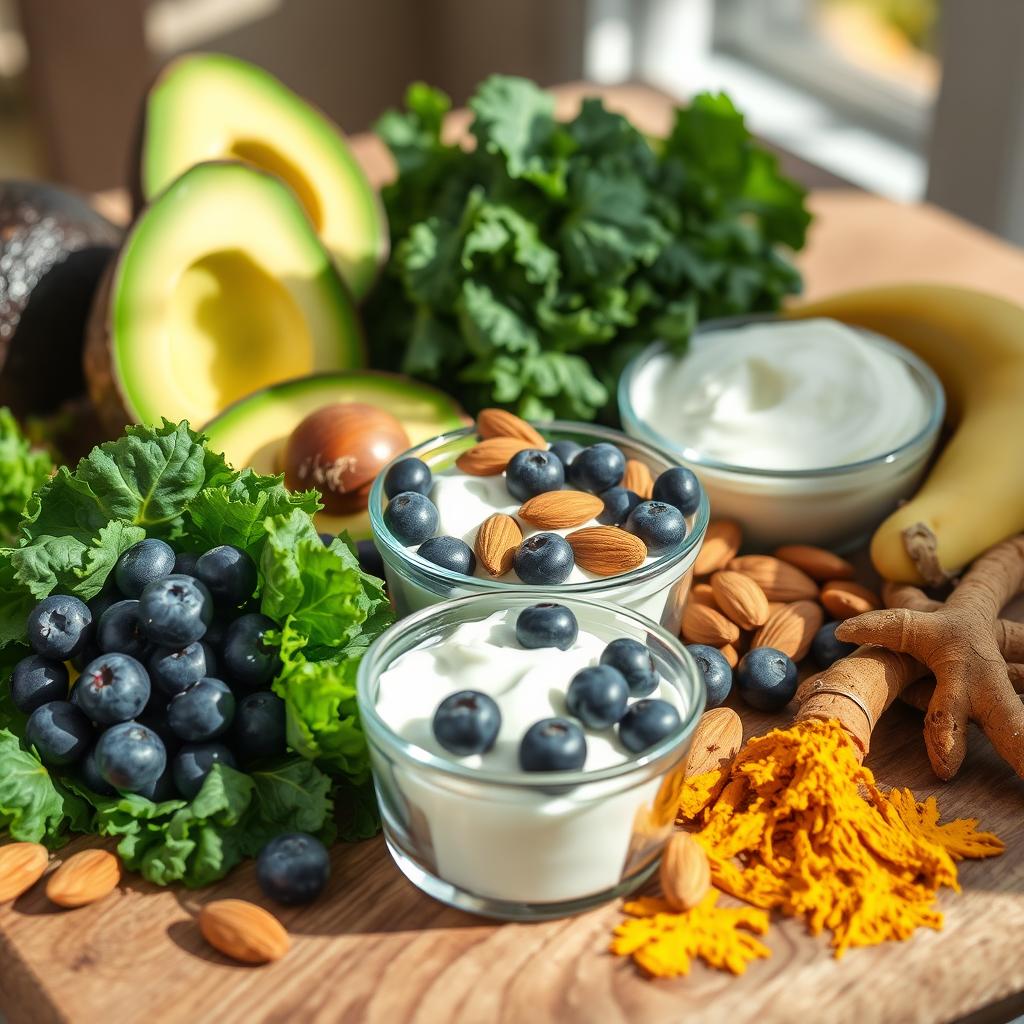
- Low-Fat Dairy Products: Items like Greek yogurt and cottage cheese provide protein along with calcium, making them great for bone health.
- Nuts and Seeds: Almonds, walnuts, chia seeds, and sunflower seeds deliver protein in bite-sized portions just remember to stick to moderate servings due to their calorie density.
These protein sources fit seamlessly into a balanced meal plan. Pair them with non-starchy vegetables, whole grains, and healthy fats for a complete and satisfying dish. For instance, imagine grilled salmon with a side of sautéed spinach and quinoa or a hearty lentil soup topped with avocado slices!
Nutritional Snapshot: Lean Protein Comparison
Curious how these options stack up nutritionally? Check out the handy table below to see key nutrients for some of the top picks:
| Protein Source | Calories (per serving) | Protein (grams) | Total Fat (grams) |
|---|---|---|---|
| Skinless Chicken Breast (3 oz) | 140 | 26 | 3 |
| Salmon (3 oz) | 175 | 25 | 6 |
| 95% Lean Ground Beef (3 oz) | 150 | 22 | 5 |
| Tofu (1/2 cup) | 94 | 10 | 5 |
| Greek Yogurt (1 cup) | 100 | 20 | 0 |
The above table highlights some lean protein champions it’s clear why these options are a go-to for health-conscious individuals. Whether you’re aiming to build muscle, stabilize your energy levels, or quell your hunger pangs without overloading on fats, these choices deliver the goods.
Healthy Living Tips: Including Lean Protein in Every Meal
- Swap out fatty meats like bacon or sausage for skinless poultry in your breakfast or lunch recipes.
- Add fish to your weekly meal plan to take advantage of those heart-healthy omega-3s.
- Combine legumes like lentils or black beans with a whole grain (e.g., quinoa or brown rice) for a vegetarian protein-packed dish.
- Use Greek yogurt in smoothies or as a base for dips for a low-fat, protein boost.
- Keep portion sizes in check by aiming for about 3–4 ounces of lean protein per meal.
By prioritizing lean protein and incorporating it into meals strategically, you’re not just making healthy choices you’re embracing a lifestyle that supports energy, balance, and heart health.
Top Animal-Based Lean Proteins

Skinless Poultry: A Low-Fat, High-Protein Staple
Skinless poultry, such as chicken and turkey, is a powerhouse of lean protein. Not only is it incredibly versatile think grilled chicken salads, turkey stir-fries, or simply roasted you’ll also reap the benefits of its low fat content and ample nutrients. Looking for cooking inspiration? Try marinating chicken breasts in lemon and herbs or whipping up turkey meatballs with whole-grain breadcrumbs for a flavorful yet healthy meal.
Lean Cuts of Beef and Pork: A Nutrient-Rich Option
Red meat gets a bad rap, but when you opt for lean cuts, it can be a nutritious part of your diet. Think 95% lean ground beef or pork tenderloin they’re packed with protein, iron, zinc, and B vitamins while keeping saturated fat in check. For healthier preparation, skip the frying and go for grilling, roasting, or broiling. Why not try a lean beef chili loaded with non-starchy vegetables or slice a pork tenderloin for a protein-packed stir-fry?
Eggs and Egg Whites: Tiny Packages of Nutrition
If you’re searching for an affordable and flexible protein option, eggs are hard to beat. With just 70 calories each and loaded with essential nutrients like vitamin D and choline, whole eggs are a nutritional powerhouse. Prefer a lower-fat option? Egg whites offer pure protein perfect for omelets, frittatas, or even as a base for protein pancakes. Pro tip: Keep boiled eggs handy for a quick, grab-and-go snack!
Making small, intentional swaps like choosing lean proteins over processed or fatty ones can go a long way toward healthier living. What’s your next lean protein pick?
Seafood for Heart and Brain Health
Fatty Fish: Nutrient Powerhouses
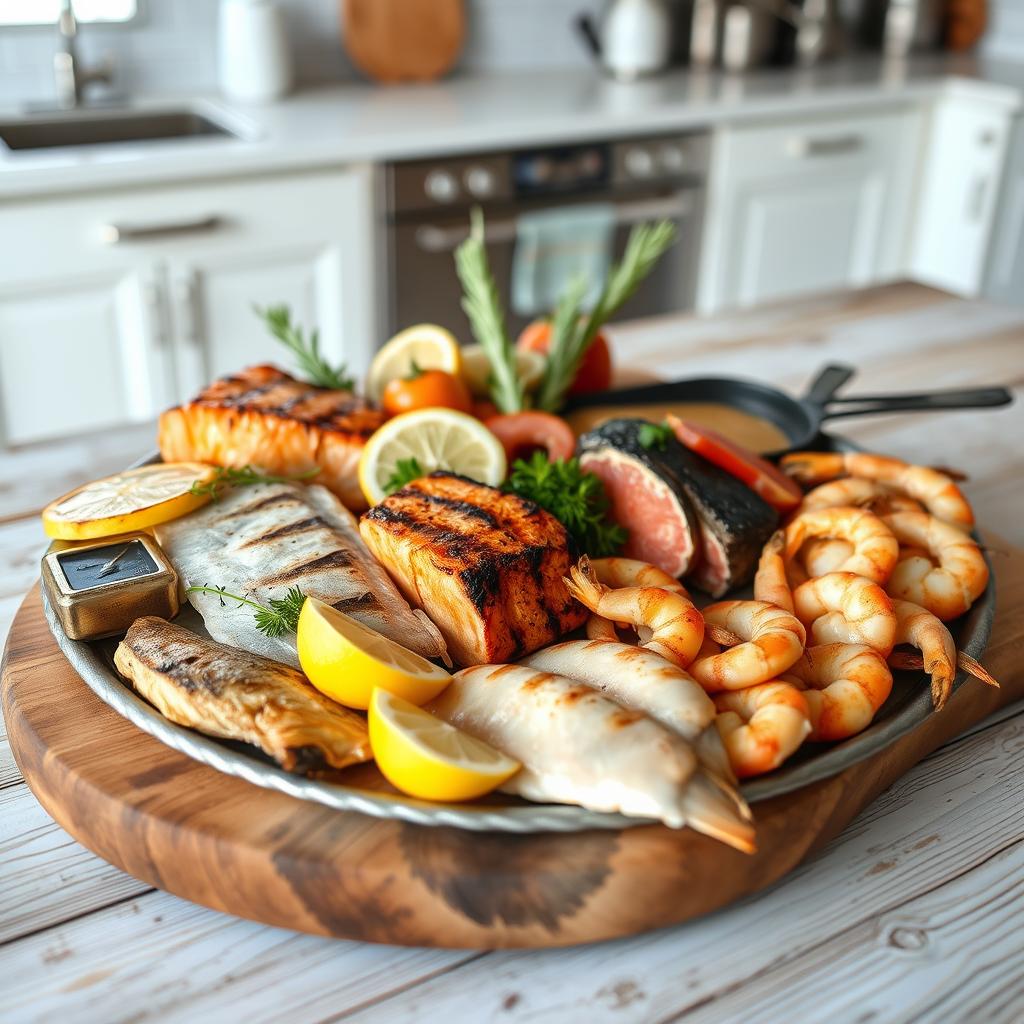
Fatty fish like salmon, tuna, and mackerel are more than just delicious they’re rich in omega-3 fatty acids, which are essential for maintaining a healthy heart and supporting cognitive function. Omega-3s play a vital role in reducing inflammation, lowering triglycerides, and improving overall cardiovascular health.
Not sure how to enjoy them? Try grilling a salmon filet with a drizzle of olive oil or tossing chunks of tuna into your favorite salad for a quick and satisfying meal. These options are simple, heart-healthy, and full of flavor.
Lean White Fish: The Low-Fat Staple
For those watching their fat intake while craving ample protein, lean white fish like cod, tilapia, and haddock are excellent choices. They’re mild in flavor and easy to cook, making them a great starting point if you’re new to seafood. Plus, they’re low in calories, making them perfect for a lean diet.
Bake a fillet with your favorite herbs or pan-fry it with a light breading for a wholesome, quick dinner that fits right into your healthy living goals.
Shellfish: Low-Calorie Versatility
Craving variety? Look no further than shellfish like shrimp and scallops. These gems are not only packed with protein but also extremely versatile in the kitchen. From shrimp tacos to seared scallops, they offer endless options for healthy eating while keeping the calorie count low.
Pro tip: Pair shellfish with a generous side of non-starchy vegetables like steamed broccoli or roasted asparagus to create a well-rounded, nutrient-rich meal.
Adding seafood to your weekly menu is one of the best healthy living tips you can embrace. Whether you’re grilling salmon, baking cod, or sautéing shrimp, each bite brings you closer to a lean, balanced diet and improved long-term health.
Plant-Based Protein Powerhouses
1. Legumes: Affordable and Heart-Healthy
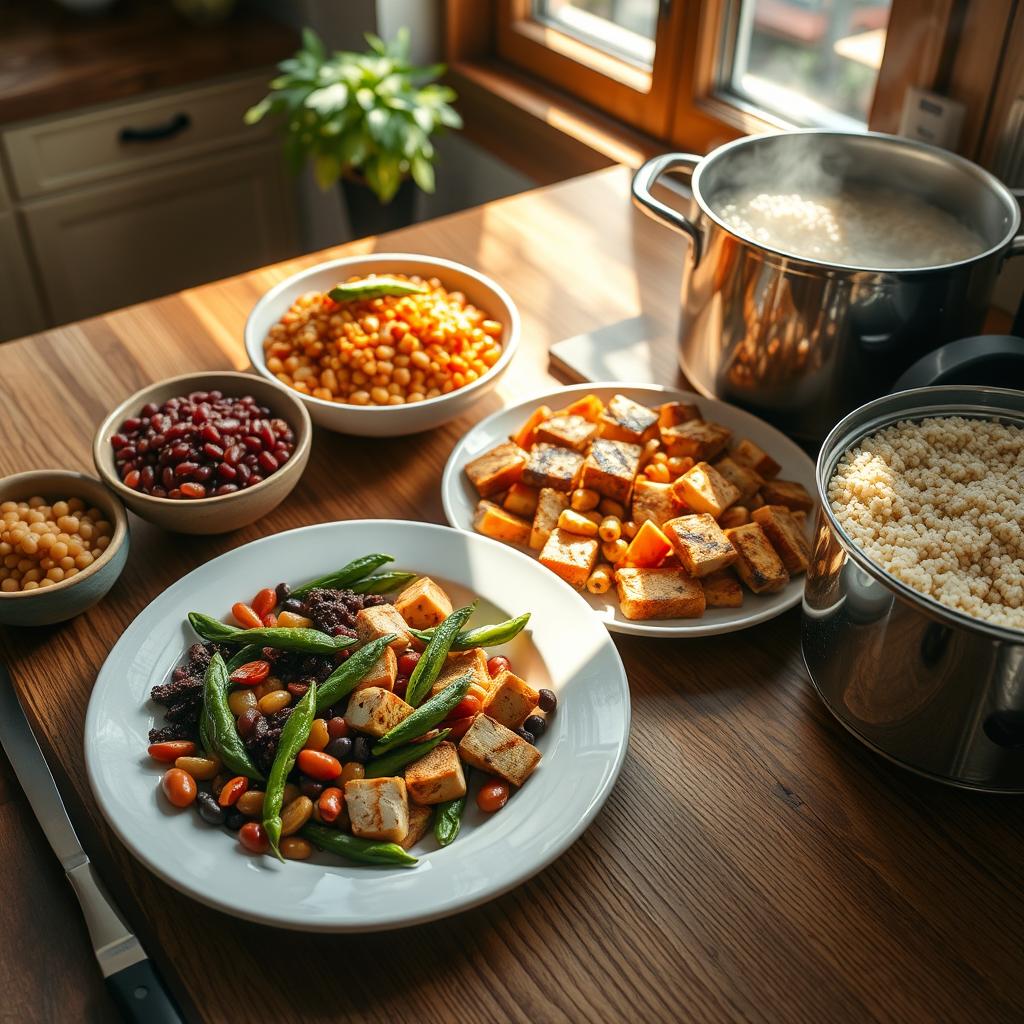
Beans, lentils, and chickpeas are beloved staples in the world of plant-based eating, and it’s easy to see why. These tiny nutrient powerhouses are not only budget-friendly but also loaded with fiber, making them excellent for heart health and digestion. Wondering how to add more legumes to your meals? Try whipping up a hearty lentil soup, tossing black beans into a salad, or substituting them for meat in tacos you’ll get all the protein without the saturated fats!
2. Soy Products: Vegan-Friendly Protein
For those embracing a vegan lifestyle or simply seeking meatless alternatives, soy is a standout choice. Products like tofu, edamame, and tempeh provide high-quality protein alongside key nutrients like calcium and magnesium. Did you know tempeh has a slightly nutty flavor and works beautifully as a grilled protein option? Or that tofu can take on practically any flavor you pair it with? These soy-based marvels open endless culinary possibilities while keeping your diet lean and heart-healthy.
3. Quinoa: A Complete Protein
Unlike many other grains, quinoa is a complete protein, meaning it contains all nine essential amino acids that your body needs. With its naturally nutty flavor and fluffy texture, quinoa is an easy addition to any meal. Use it as a base for colorful Buddha bowls or as a nutritious side dish paired with sautéed vegetables. It’s quick to cook, gluten-free, and packed with plant goodness your body will thank you.
Experimenting with these plant-based powerhouses in your meals isn’t just a step toward lean eating it’s also an adventurous way to boost your heart health, energy levels, and overall wellness. Why not start today? Which of these protein-packed options will you add to your next plate?
Nuts, Seeds, and Other Vegetarian Options

Nuts and Nut Butters: Healthy Fats Meet Protein
Nuts like almonds, walnuts, and cashews are perfect for snacking or topping off your favorite dishes. They offer moderate protein and heart-healthy fats that help keep you satiated. Plus, nut butters especially unsweetened peanut butter or almond butter make a creamy, versatile addition to smoothies, oatmeal, or even whole-grain toast. Just remember to enjoy these in moderation, as their calorie content can add up quickly!
- Almonds: Rich in vitamin E and magnesium, perfect for skin and bone health.
- Peanut Butter: Packed with protein, fiber, and flavor ideal for a post-workout snack.
- Walnuts: A great source of omega-3 fatty acids, supporting heart health.
Seeds: Tiny Yet Mighty
Don’t underestimate the power of seeds like chia, flax, and pumpkin! These nutrient-dense superfoods are loaded with protein, fiber, and essential minerals. Sprinkle them on salads, stir them into yogurt, or bake them into granola bars for a satisfying crunch and a boost of nutrition.
- Chia Seeds: High in protein and omega-3s; they expand in liquid, creating fun textures in pudding or smoothies.
- Pumpkin Seeds: Packed with magnesium and zinc excellent for immune health.
- Flaxseeds: A fiber-rich addition to baked goods, benefiting digestion.
Dairy and Dairy Alternatives: Versatile Protein Masters
If you enjoy dairy, options like low-fat Greek yogurt or cottage cheese are protein powerhouses. They’re perfect for breakfast parfaits or savory dips. Prefer plant-based alternatives? Reach for soy milk, almond milk, or oat milk. Many of these are fortified with additional nutrients, making them an excellent choice for a lean diet.
For inspiration:
- Low-Fat Greek Yogurt: Creamy, tangy, and packed with protein ideal for smoothies or as a dessert base.
- Soy Milk: A versatile milk alternative high in protein and perfect for coffee, oatmeal, or cooking.
- Almond Milk: Naturally lower in calories and often fortified with calcium and vitamin D.
These vegetarian options are not only nutrient-packed but also incredibly versatile. Whether you’re aiming for heart health, better digestion, or simply eating lean, incorporating nuts, seeds, and dairy alternatives is a delicious and satisfying way to power your day.
The Power of Lean Proteins for Healthy Living
- Skinless Poultry: Look for chicken or turkey breast for a lighter, heart-healthy option.
- Seafood: Salmon, tuna, and trout are rich in omega-3s and perfect for brain and heart health.
- 95% Lean Ground Beef: A flavorful choice without the extra fat.
- Pork Tenderloin: A surprisingly lean and juicy protein alternative.
- Plant-Based Favorites: Beans, lentils, and tofu provide fiber and protein for a lean diet.
Exploring these options doesn’t just nourish your body it fuels your journey toward a healthier lifestyle. Remember, small, mindful choices in your protein sources today can lead to big health rewards tomorrow. So, which of these will you add to your plate next?