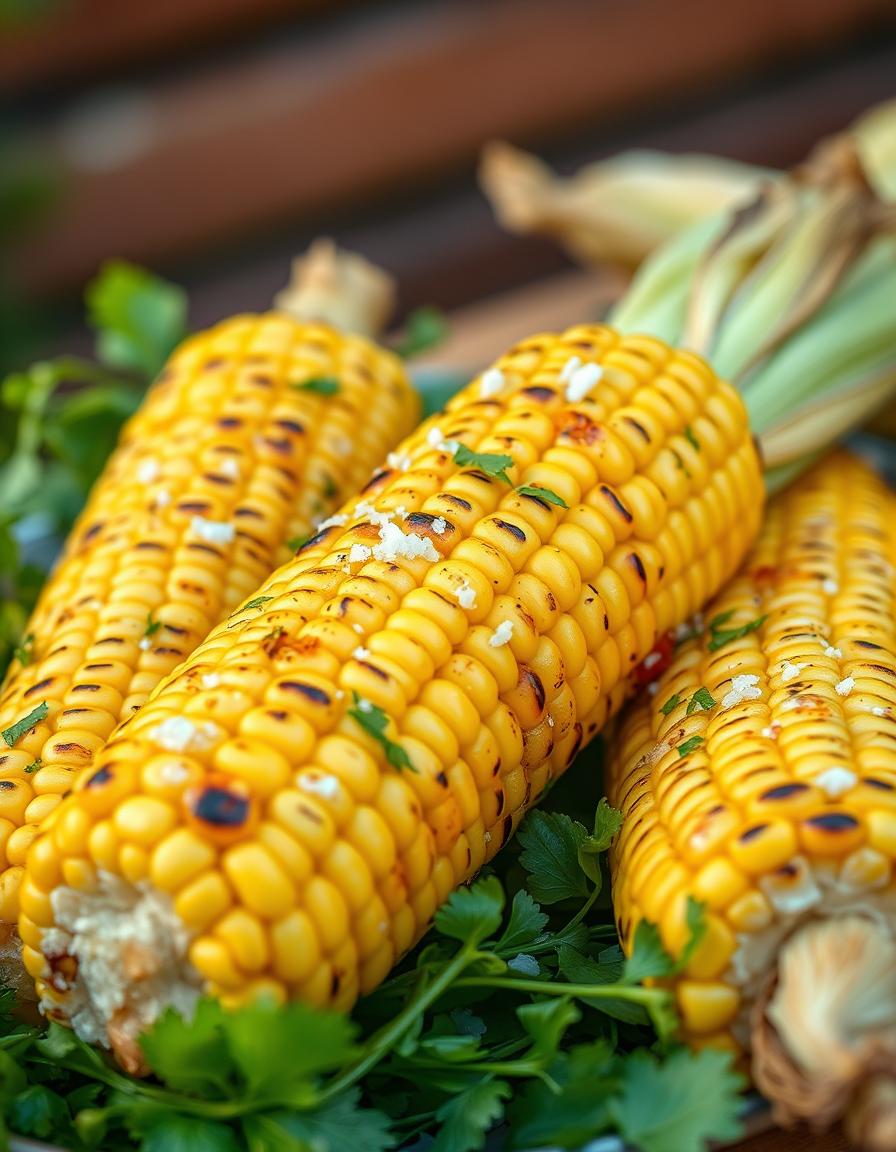
Corn on the cob is a summertime favorite for many, bringing back memories of backyard BBQs and county fairs. But if you’re following a keto diet, you might wonder if this delicious treat fits into your low-carb lifestyle. The main question many ask is about the carbs in corn on the cob and how this vegetable stacks up against keto guidelines. Let’s explore whether corn is a keto-friendly option and how it can affect your daily carb count.
What Are Carbs in Corn on the Cob?
Corn is often mistaken as a low-carb vegetable like leafy greens or broccoli, but it’s actually a starchy vegetable. This means that it contains a higher amount of carbohydrates compared to non-starchy veggies. To get a clear picture, let’s look at the typical carb content in corn on the cob.
| Serving Size | Total Carbohydrates | Net Carbs* |
|---|---|---|
| 1 medium ear (about 90 grams) | 19 grams | 17 grams |
*Net carbs = Total carbs minus fiber.
As you can see, a single ear of corn on the cob packs around 17 grams of net carbs. For someone on a strict keto diet, which often limits daily carb intake to 20-50 grams, this can be a significant chunk of your daily allotment.
Why Do Carbs Matter on Keto?
The keto diet prioritizes very low carbohydrate intake to encourage the body to enter ketosis, a state where it burns fat for fuel instead of carbs. Eating too many carbs, even from vegetables, can throw you out of this fat-burning mode.
Since corn is relatively high in carbs, it can make maintaining ketosis a bit tricky if you don’t plan carefully. Keeping your carb intake low requires a bit of strategy to enjoy treats like corn without going overboard.
How Corn Compares to Other Vegetables
Let’s compare the carbs in corn on the cob to a few other popular vegetables per 100 grams:
| Vegetable | Net Carbs (g) |
|---|---|
| Corn | 15-17 |
| Broccoli | 4 |
| Cauliflower | 3 |
| Spinach | 1 |
The table shows that corn has almost four to five times the net carbs compared to leafy greens or broccoli. This makes corn a unique challenge on keto since many other vegetables are much lower in carbs.
Is Corn on the Cob Keto-Friendly?
Given the carb content, corn on the cob isn’t the best choice for strict keto followers who aim to stay below 20 grams of net carbs daily. Eating even one ear could use up most or all of your carb budget for the day.
However, if you follow a more flexible or moderate low-carb diet, you might be able to enjoy corn occasionally by adjusting your other meals. If you’re craving corn at a BBQ, a small bite or two might not ruin your progress—just be sure to factor it in!
Tips for Managing Corn Intake on Keto
- Portion Control: Instead of eating a whole ear, try half or just a few kernels to keep carbs down.
- Balance Meals: If you plan to include corn, reduce carbs from other sources throughout the day.
- Track Carefully: Use a food tracker to monitor your total daily carbs and stay within your limits.
- Choose Alternatives: Consider cauliflower or zucchini “corn” substitutes to satisfy that craving with fewer carbs.
Why Do People Still Love Corn on Keto?
Corn tastes sweet and satisfying, and it’s hard to resist the nostalgia and fun it brings to meals. It’s also a good source of fiber, some vitamins, and antioxidants, which gives it nutritional perks despite its higher carb count.
Many keto enthusiasts include occasional higher-carb veggies like corn on the cob as part of their diet “cheat” or refeed days, allowing them to enjoy life while maintaining progress. It’s all about balance and personal choice.
Of course, if you buy prepared keto meals or snacks, double-check the ingredients to ensure the carb content fits your needs. For example, if you’re curious about convenient options, you might want to explore factor keto meals, which offer a clever balance suitable for low-carb living.
Unique Nutritional Benefits of Corn
Corn provides several nutrients that support health beyond just carbs:
- Fiber: Helps with digestion and can improve feelings of fullness.
- Vitamin C: Supports immune health.
- Antioxidants: Such as lutein and zeaxanthin, which are good for eye health.
- B Vitamins: Important for energy production.
While it may not be keto-friendly in large amounts, corn does offer nutritional value that makes it a worthy addition to many diets.
Alternatives to Corn on the Cob for Keto Dieters
If you love the idea of eating corn but want to stick to keto, consider these lower-carb alternatives that mimic the texture or flavor without the carb overload:
- Cauliflower Rice: Great for adding volume without many carbs.
- Zucchini Noodles: Satisfying with a mild flavor.
- Green Beans or Asparagus: Both offer crunch and fiber with fewer carbs.
- Roasted Broccoli or Brussels Sprouts: Add a hint of sweetness and are filling.
Experimenting with these veggies helps ensure you don’t feel deprived while keeping your carbs in check.
Conclusion
Corn on the cob contains a relatively high amount of carbs compared to other vegetables, making it a challenging choice for strict keto dieters. One ear can take up most of your daily carb allowance, so if you want to stay in ketosis, it’s best to enjoy corn sparingly or opt for lower-carb alternatives.
That said, corn is a unique vegetable with its own set of nutritional benefits and a taste that brings joy and memories to many. If you decide to include it, portion control and planning are key. Remember, living keto doesn’t mean giving up all your favorite foods forever, but balancing them wisely.
And hey, if you’re curious about premade options that can help keep your carb count low but meals exciting, check out factor keto meals—they offer tasty choices that fit well with low-carb living.